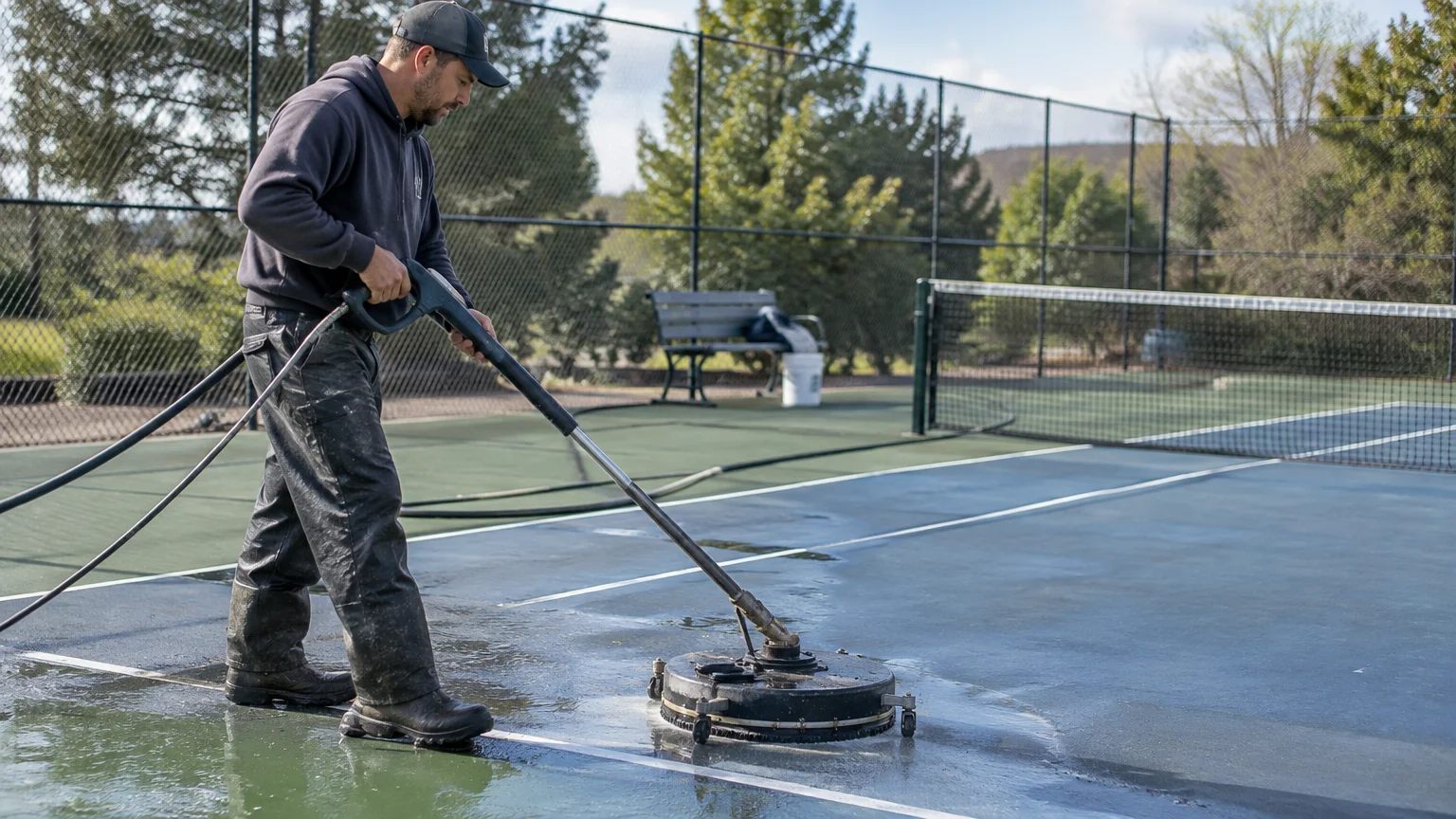
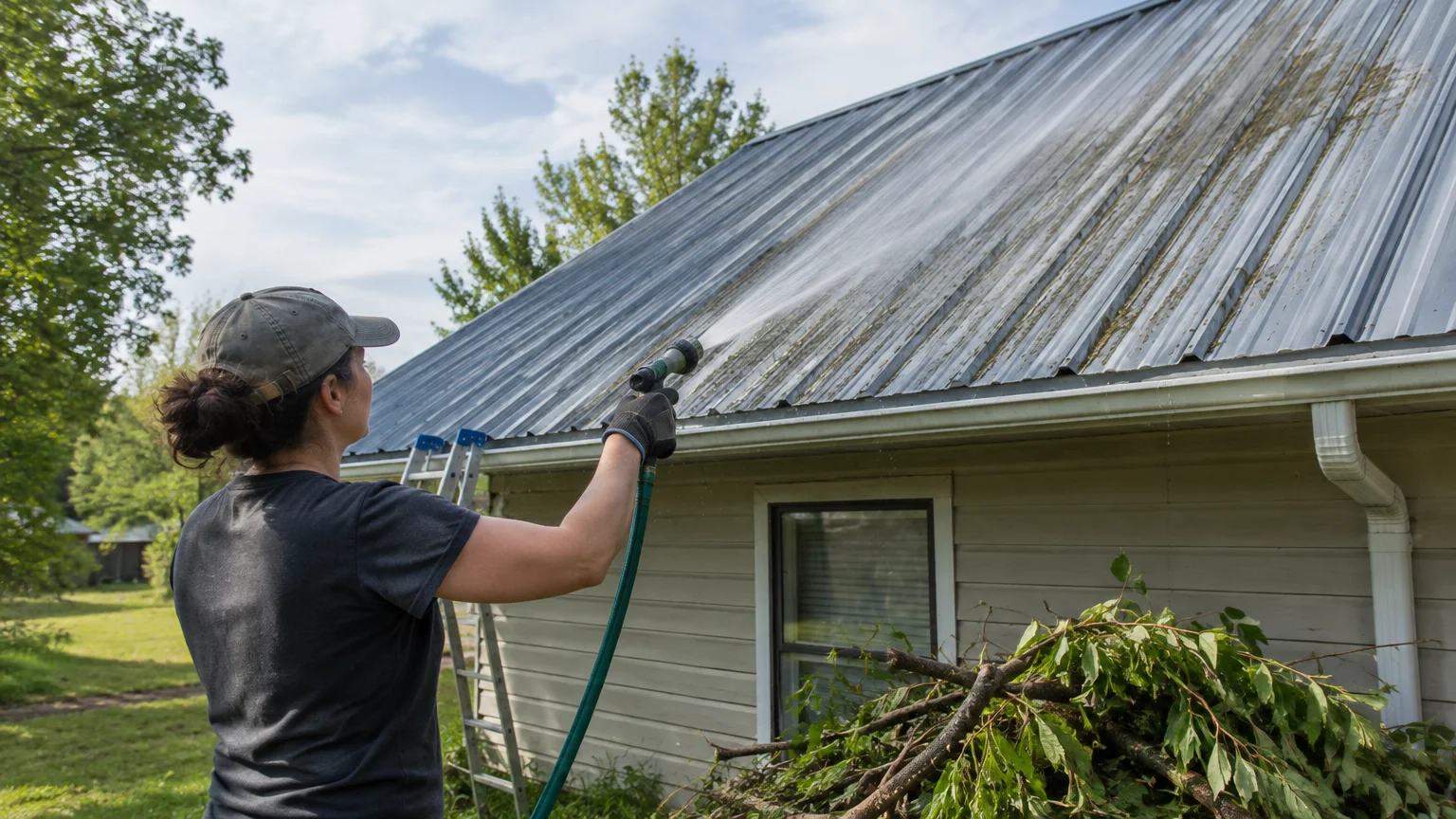
Pressure washing rust removal works best when water is used with the right stain treatment. Rust can bond with concrete, vinyl, paint, brick, and other surfaces. Pressure may remove loose dirt, but it often leaves the orange mark. The safest method depends on the stain, surface, and rust source.
Table of Contents
- Can pressure washing remove rust stains from concrete?
- What causes rust stains on concrete and siding?
- Which rust removers are safe for concrete and siding?
- How do professionals remove rust stains without damaging surfaces?
- Can rust stains be removed from vinyl, painted, and masonry siding?
- What should you avoid when pressure washing rust stains?
- When should you hire a professional for pressure washing rust removal?
- Key takeaways
- Frequently Asked Questions
- Conclusion
Can pressure washing remove rust stains from concrete?
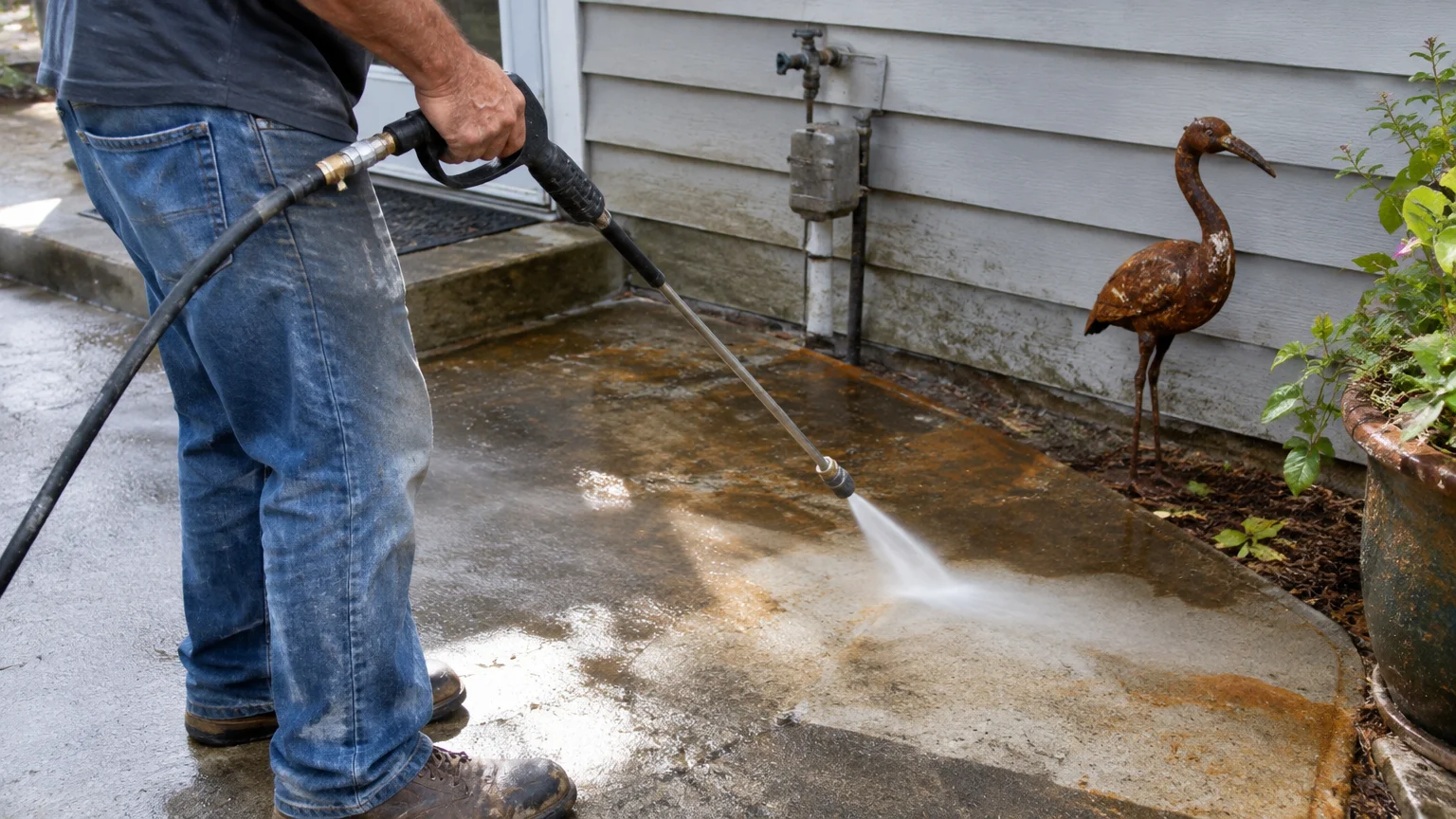
Pressure washing can remove loose rust flakes, dirt, and grime from concrete. It often cannot dissolve rust that has soaked into the concrete pores. Rust is iron oxide, which forms when iron or steel meets water and air. Once rust enters a porous surface, water alone may only make it lighter.
Why water pressure alone often leaves rust behind
Concrete has tiny openings that hold water and stains. A strong spray may clean the top layer without reaching the full stain. More pressure can make the damage worse. It may leave lines, rough spots, or small pits in the concrete.
A cleaner made for rust or mineral stains can help break the bond. The product must match the surface. A cleaner that works on plain concrete may harm siding, brick, stone, or metal. The cleaning plan should start with the surface, not the pressure washer.
Pressure washing rust removal may also fail when the rust source remains. A leaking sprinkler can wet a wall again and again. A metal chair can leave fresh marks after each rain. Removing the stain without fixing the source often brings the same problem back.
How to tell rust from dirt, algae, and other stains
Rust often looks orange, red, brown, or yellow. It may sit below a metal fixture, near irrigation spray, or beside a rusty screw. Dirt often looks gray or black and may fade with normal washing. Algae can look green, while mold may look dark and patchy.
A stain is not always easy to identify by sight. A small test spot can help, but it should use a safe product and low pressure. Huntsville AL Pressure Washing can help property owners decide if a mark needs normal washing or special treatment. This step matters because the wrong cleaner can change the surface color.
What causes rust stains on concrete and siding?
Rust stains come from a nearby iron source and repeated moisture. Common sources include rusty sprinkler parts, metal furniture, gutters, railings, anchors, tools, and fasteners. Water carries tiny metal bits onto concrete or siding, where they dry and leave a colored mark.
Irrigation systems, metal furniture, and corroding fixtures
Sprinkler water can contain minerals that leave deposits on walls, walkways, and pool areas. When water passes over rusty metal, it may carry iron onto the surface. Well water can also leave mineral marks when it touches concrete or siding over time.
Metal furniture can stain patios and porches when its feet stay wet. Old bolts, brackets, and fence parts may leave thin streaks. Air-conditioning supports and outdoor tools can create similar marks. A leaking gutter or downspout may spread the stain during each storm.
Check the source before cleaning starts. A homeowner can move furniture, replace a rusty planter, or adjust a sprinkler head when the task is simple. Larger repairs may need a plumber, irrigation worker, roofer, or contractor.
Rust runoff, fasteners, and nearby construction materials
Rust runoff can travel far from the metal that caused it. Rain may carry it down a wall, across a patio, or along a driveway edge. Construction dust may also contain iron-rich particles. These particles can mix with water and leave orange marks after work ends.
Siding stains can form below screws, nails, vents, or metal trim. Masonry may show rust below wall ties, railings, or outdoor lights. The pattern can give useful clues. A narrow vertical line may point to runoff, while a round mark may come from furniture or equipment.
Huntsville weather can affect how fast stains return. Rain, sprinkler use, shade, and damp areas keep surfaces wet longer. Huntsville AL Pressure Washing can inspect the visible mark and look for likely sources before choosing a cleaning method.
Which rust removers are safe for concrete and siding?
The safest rust remover is made for the exact surface. Rust treatments may use mild acids, special chemicals, or other ingredients that dissolve iron deposits. Use them as directed, and protect plants, metal, glass, and painted areas nearby.
Acid-based and specialty treatments for mineral stains
Some rust removers use acids to break down iron oxide. They can work on plain concrete when applied with care. They may harm polished stone, colored concrete, metal, glass, or some coatings. A stronger acid is not always the better choice.
Special products may work better on sensitive surfaces. Some are made for vinyl siding, painted areas, brick, or mineral deposits. The label should say where the product can be used. Never mix the cleaner with bleach or other household chemicals.
Protect plants and rinse nearby areas as needed. Chemical runoff can hurt landscaping or change surface color. Local rules may also affect how wash water is handled. If the product is unknown, a professional review is safer than guessing.
Why surface type and stain severity determine product choice
Plain concrete may handle a treatment that would harm paint. Vinyl siding often needs a gentler product and lower pressure. Brick and stucco can absorb water and chemicals, so dwell time and rinsing must be controlled.
Light marks may respond to a mild treatment. Deep stains may need more than one careful application. A damaged surface may not return to its old color after rust removal. Cleaning cannot repair chipped paint, exposed aggregate, cracked siding, or corroded metal.
Homeowners can read labels, use the listed safety gear, and test a hidden spot for small jobs. Stop if the surface changes color or the cleaner acts poorly. Huntsville AL Pressure Washing can help Huntsville homeowners choose between normal cleaning and specialty stain treatment.
How do professionals remove rust stains without damaging surfaces?
Professionals start by identifying the surface, stain, and likely source. They test a small hidden area before treating the full mark. The goal is controlled cleaning, not the strongest spray. This lowers the chance of fading, etching, streaking, or chemical damage.
Testing the treatment on an inconspicuous area
A test spot shows how the surface reacts. It can reveal color change, whitening, softening, or uneven cleaning. The area should stay small and be checked after rinsing. Some damage is easier to see after the surface dries.
The operator also checks nearby materials. Glass, painted trim, metal, plants, and sealers may need protection. A product safe for concrete may corrode metal or harm leaves. Careful setup is part of good cleaning.
The treatment must match the stain. If the mark is algae, dirt, oil, or paint instead of rust, a rust cleaner may not help. Correct identification prevents wasted work and lowers the risk of damage.
Applying, rinsing, and neutralizing the stain remover
Apply the cleaner for the time shown on its label. Do not let it dry unless the label allows that method. Rinse with controlled pressure. Too little rinsing can leave residue, while too much force can damage the surface.
Some products need neutralizing after use. The label will explain if that step is needed. Neutralizing stops the chemical action and protects the surface from long exposure. Direct wash water away from plants, pets, storm drains, and sensitive materials when possible.
Check the result in natural light after drying. A second treatment may be safer than one harsh application. Good pressure washing rust removal combines stain treatment with careful rinsing instead of relying on force alone.
Can rust stains be removed from vinyl, painted, and masonry siding?
Rust stains can often be reduced or removed from siding, but every material needs a different plan. Vinyl, painted siding, brick, stucco, and fiber cement do not react in the same way. The method should treat the stain while protecting the finish.
Cleaning considerations for vinyl and painted siding
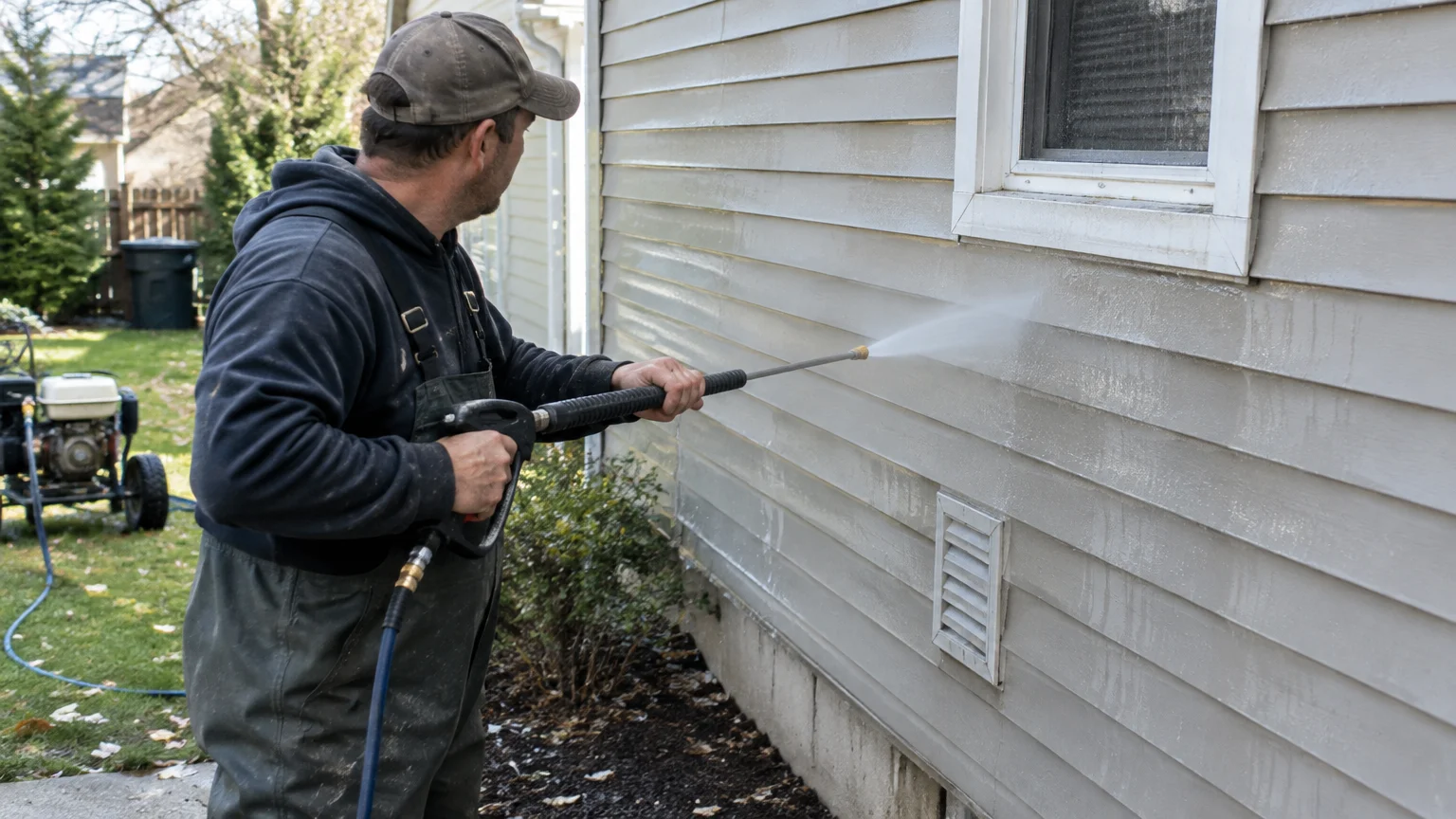
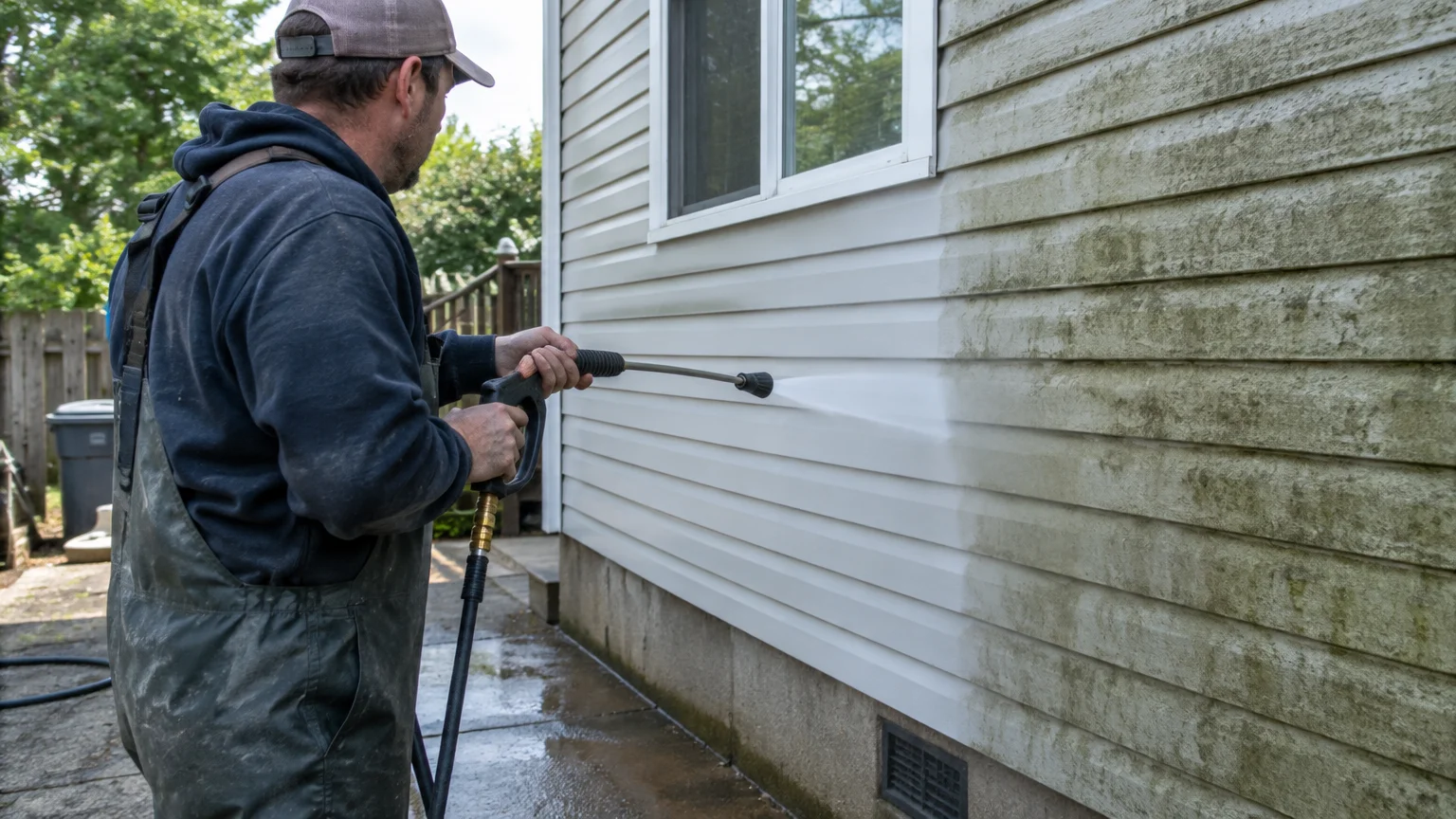
Vinyl siding can show orange marks below fasteners, fixtures, and roof edges. It usually needs low pressure and a siding-safe cleaner. High pressure can push water behind panels, harm seams, or leave visible marks.
Painted siding needs extra care because rust may sit in the paint film. A harsh cleaner can fade or strip the finish. If paint is already peeling, cleaning may reveal a larger repair need. The surface may need paint work after the rust source is fixed.
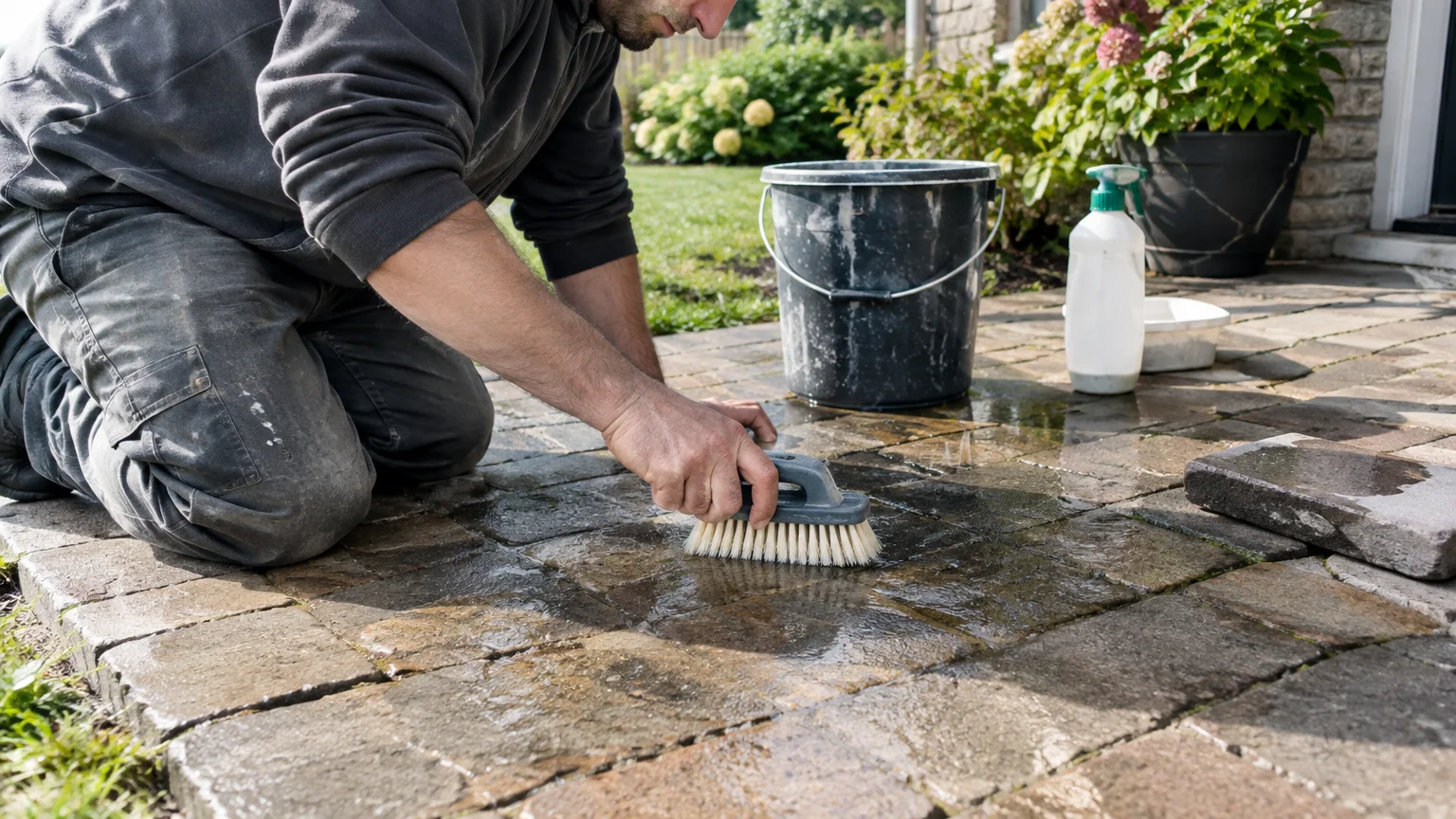
Homeowners can rinse loose dirt with a garden hose and remove simple causes, such as a rusty decoration. Avoid hard scrubbing or rough pads. Test a hidden spot before using any chemical treatment.
How brick, stucco, and other masonry respond to treatment
Brick and stucco are porous. Rust can move into small openings and spread with water. Brick cleaning may remove the stain, but strong pressure can wear mortar or damage the brick face. Stucco can crack or absorb too much water when cleaned poorly.
Concrete siding and fiber cement also need a surface-based plan. Sealed surfaces may react differently from unsealed ones. Older finishes can be weaker than they look. Check for cracks, loose areas, and old coatings before cleaning.
Masonry may need special treatment instead of standard house washing. Huntsville AL Pressure Washing serves Huntsville, including Downtown Huntsville, Five Points, Madison, Owens Cross Roads, Meridianville, Hampton Cove, and nearby communities. The team considers the material, stain source, and nearby landscaping. The goal is a clean surface without causing a new problem.
What should you avoid when pressure washing rust stains?
The biggest mistake is using more pressure to solve a chemical stain. Pressure can remove loose material, but it may not dissolve rust. It can spread dirty water, cut the surface, or create marks that are harder to hide.
Common mistakes that spread stains or etch concrete
Avoid these common errors:
- Spraying a rust mark before finding the metal or water source.
- Holding the wand too close to concrete, siding, brick, or painted trim.
- Letting a chemical cleaner dry on the surface.
- Mixing bleach, acids, ammonia, or other household cleaners.
- Letting dirty runoff dry on nearby walls or walkways.
- Skipping a test spot on an older or coated surface.
A rotating nozzle may be too rough for some surfaces. It can leave round marks or remove the top layer of concrete. A narrow spray can also create lines when the wand moves unevenly.
When household cleaners and high pressure create more damage
Kitchen, bathroom, and toilet cleaners are not made for every outdoor surface. Some contain acids that can harm concrete, stone, metal, plants, or paint. Bleach may lighten algae or mildew, but it is not a complete rust treatment.
High pressure can push water behind siding or into cracks. It can loosen mortar, chip paint, and damage sealers. It may also spread rust from one place to another. Use enough pressure to rinse safely, not enough to force a result.
A homeowner does not need a professional for every small mark. Safe rinsing, simple upkeep, and removing a rusty item may solve the issue. Professional help makes more sense when the stain is deep, wide, recurring, or close to delicate materials.
When should you hire a professional for pressure washing rust removal?
A professional can help when gentle cleaning does not work or when the surface could be damaged easily. Deep orange marks, long runoff trails, repeated stains, and marks near painted finishes all need careful review.
Signs the stain needs specialized treatment
Consider professional help when:
- The stain remains after normal surface washing.
- Rust appears on several walls, walks, or outdoor areas.
- The source is a sprinkler, gutter, fastener, or hidden fixture.
- The surface is painted, sealed, old, cracked, or very porous.
- The stain is near plants, glass, metal, or delicate trim.
- Earlier cleaning left streaks, pits, fading, or uneven color.
Professional help may also make sense when the stain keeps returning. Cleaning without fixing the source only gives a short-term result. The source may need repair from another qualified trade.
What to expect during a professional rust stain assessment
An assessment should identify the surface, stain type, likely source, and safe treatment plan. The professional may ask about irrigation, recent building work, old fixtures, and past cleaning. They may test a hidden area before treating the visible stain.
The final cost depends on surface size, access, stain severity, treatment needs, and existing damage. Similar stains may need very different amounts of work and care. The final cost should be confirmed on a quote before work begins.
Huntsville AL Pressure Washing can review rust and mineral stains for homeowners, tenants, investors, and business owners. The right plan can help protect concrete, siding, brick, and painted surfaces.
Key takeaways
- Pressure alone often cannot dissolve rust inside porous concrete.
- The stain source should be fixed before or during the cleaning plan.
- Rust removers must match the surface and stain severity.
- High pressure and harsh cleaners can harm siding, brick, paint, and concrete.
- A small test area helps lower the risk of color change or surface damage.
Frequently Asked Questions
Can pressure washing remove old rust stains?
Pressure washing can remove loose dirt and some surface rust. Old stains often need a rust treatment made for the surface. Deep marks may fade instead of disappearing, especially when concrete, brick, or paint is damaged. A test area can show if cleaning is likely to help.
Will vinegar remove rust from concrete?
Vinegar may affect light mineral marks, but it is not right for every concrete surface. It can also harm nearby plants or finishes when used carelessly. A product labeled for concrete rust removal is usually safer when used as directed and tested first.
Can rust stains damage vinyl siding?
Rust stains can discolor vinyl siding, but the mark may not damage the panel itself. Harsh chemicals and high pressure can cause more harm than the stain. Gentle cleaning, a siding-safe product, and careful rinsing help protect the finish.
Should a homeowner use bleach on rust stains?
Bleach is better for some organic growth, such as algae or mildew. It usually does not dissolve rust well. Mixing bleach with acids or other cleaners can create dangerous fumes. Use only products labeled for the surface and stain.
How can rust stains be prevented from returning?
Control the source first. Repair leaking sprinklers, replace rusty fixtures, protect metal furniture, and redirect runoff when possible. Keeping surfaces rinsed and dry can also help. If stains return from a hidden source, a professional assessment may help locate the problem.
Conclusion
Rust stains need more than force. They need the right treatment, safe pressure, and a plan for the source. Concrete, siding, brick, and painted surfaces each react in different ways. Careful testing and proper rinsing can improve many stains without needless damage.
For property owners and nearby areas, Huntsville AL Pressure Washing can help identify a safe cleaning approach. Contact us to discuss pressure washing rust removal for the affected surface.