Pressure cleaning tennis court surfaces helps HOAs remove dirt, algae, mildew, and other buildup. It can help shared courts look cleaner and feel safer after wet weather. A good plan checks the court coating, uses the right cleaning method, protects nearby areas, and keeps residents away until the surface is dry.
Table of Contents
- Why Does Pressure Cleaning a Tennis Court Matter for an HOA?
- What Types of HOA Surfaces Need Professional Pressure Cleaning?
- How Often Should an HOA Schedule Pressure Cleaning?
- How Is Pressure Cleaning a Tennis Court Performed Safely?
- What Should Property Managers Consider Before Cleaning Shared Amenities?
- How Can HOAs Maintain Cleaner Courts and Common Areas Between Services?
- What Should an HOA Look for in a Commercial Pressure Washing Provider?
- Frequently Asked Questions
Why Does Pressure Cleaning a Tennis Court Matter for an HOA?
Pressure cleaning matters because tennis courts collect dirt, leaves, pollen, algae, and mildew. These materials can change the way the court looks and feels. Algae and mildew may also make wet areas slick. Regular cleaning helps keep the court ready for play and easier to check.
A tennis court coating is the colored layer placed over the court surface. It helps protect the pavement and gives players a steady playing area. Strong pressure, poor cleaners, or a damaged coating can cause harm. The cleaning method should match the court material and its condition.
How Dirt, Algae, and Organic Growth Affect Court Safety
Dirt can settle into small surface textures and hold moisture. Leaves and pollen can feed growth in shaded spots. When algae or mildew spreads, it may create slick areas after rain or irrigation. Cracks, loose coating, and standing water can make the issue worse.
An HOA does not need to wait until the full court looks dirty. A manager can check for green or dark patches, slow drainage, slick edges, and buildup near fences. These signs may show that the court needs a closer review. Cleaning should not replace repairs when the surface has cracks or other damage.
The same concern applies to basketball courts and pickleball areas. Players need clear lines, good traction, and surfaces without loose debris. Pressure washing should support those needs, not act as a simple rinse.
How Clean Shared Surfaces Support Appearance and Resident Use
Clean courts and amenity areas make a community feel cared for. Residents are more likely to use spaces that look ready and well managed. Clean surfaces also help managers find trip hazards, damaged coatings, broken fixtures, and drainage issues sooner.
In Huntsville, weather and shade can affect how fast surfaces collect grime. Huntsville AL Pressure Washing can help property managers review shared areas and choose a plan that fits resident use. A clear plan also helps an HOA explain closures and upkeep to residents.
What Types of HOA Surfaces Need Professional Pressure Cleaning?
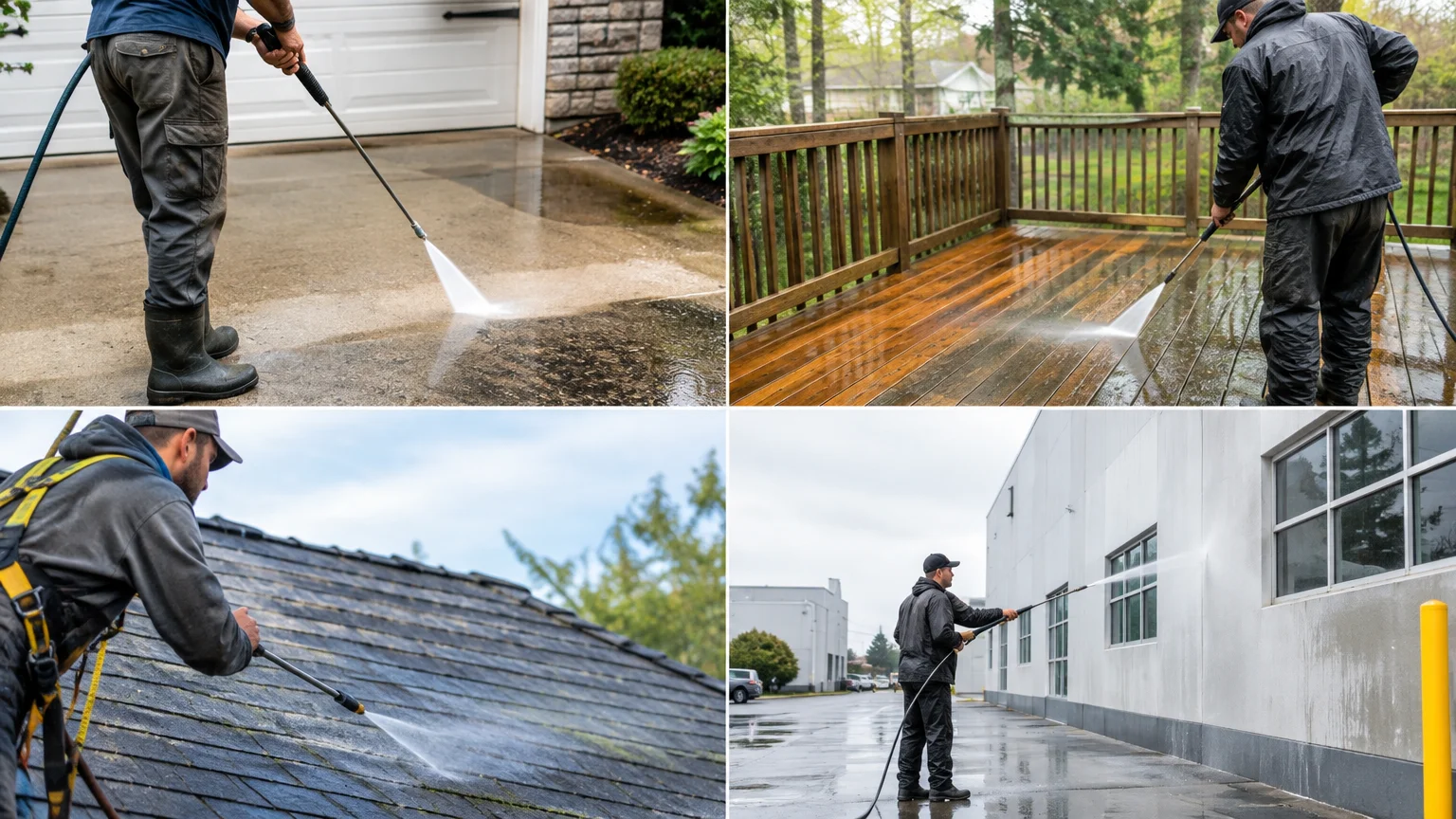
HOAs often need more than tennis court cleaning. Shared communities may have courts, sidewalks, pool decks, playgrounds, parking areas, entrances, and outdoor seating. Each surface may need a different pressure level, cleaner, and rinse method.
Professional cleaning can help when an area is large, busy, hard to reach, or close to plants. It also helps when algae, stains, gum, grease, or old buildup will not come off with sweeping. A provider should review the material before work starts.
Tennis Courts, Basketball Courts, and Pickleball Areas
Court surfaces may include acrylic coatings, painted lines, asphalt, or concrete. Acrylic coatings need careful work because strong pressure can cause peeling, fading, or marks. Court lines also need protection during cleaning.
A safe provider checks for loose coating, cracks, patches, puddles, and poor drainage. The provider may use a low-pressure method with a suitable cleaner. The goal is to remove buildup while keeping the playing surface even and sound.
Pickleball areas can have similar concerns, especially when courts share fencing or sit near homes. Basketball courts may collect rubber marks, food spills, and dust near hoops. The best method depends on the surface, the buildup, and the court’s age.
Playgrounds, Pool Decks, Sidewalks, and Amenity Spaces
Playgrounds need care around equipment, fall surfaces, drains, and hardware. A provider should not leave slick cleaner residue or push dirty water into play areas. The space should be dry and checked before residents return.
Pool decks can collect sunscreen, algae, leaves, and mineral residue. Deck Cleaning should be planned with pool staff or community managers. The work area may need barriers, signs, and a rinse plan that keeps runoff away from the pool.
Sidewalks, patios, outdoor kitchens, and covered seating areas need care too. Commercial Pressure Washing can help with larger shared spaces. Building Exterior Cleaning may help around entrances and clubhouses. The plan should list each surface instead of treating the whole property as one material.
How Often Should an HOA Schedule Pressure Cleaning?
An HOA should schedule pressure cleaning when buildup affects looks, safety, drainage, or use. There is no single schedule for every community. A shaded court near trees may need service sooner than a sunny court with good drainage. A busy community may also need more checks.
Property managers should use inspections to guide the schedule. A quick review after storms, wet seasons, or large events can reveal new buildup. Cleaning can then happen before the surface becomes hard to restore.
Factors That Affect a Shared-Surface Cleaning Schedule
Several conditions affect how often an HOA may need service:
- Shade from trees or buildings that keeps surfaces damp.
- Leaves, pollen, soil, and other debris near court edges.
- High resident use, sports events, and community gatherings.
- Poor drainage that leaves water standing after rain.
- Nearby irrigation, pools, gardens, or sprinklers.
- Local weather with long periods of rain or humidity.
A court does not need cleaning just because a calendar date arrives. It needs cleaning when inspection findings support the work. A written log can note surface color, slick areas, debris, stains, drainage, and visible damage.
Seasonal Conditions and High-Traffic Considerations
Spring may bring pollen and plant debris. Summer can bring heavy use, pool traffic, and spilled drinks. Fall may add leaves and damp organic matter. Winter planning should account for wet surfaces, lower use, and local weather.
Hotels, apartments, and large communities may need a different plan than a small HOA. Managers can schedule work around tournaments, pool openings, resident events, and landscaping. A clear closure window helps keep residents away from wet surfaces.
How often should a hotel be pressure washed? The answer depends on traffic, building materials, weather, and visible buildup. The same factors guide an HOA plan. Regular inspections are more helpful than copying another property’s schedule.
How Is Pressure Cleaning a Tennis Court Performed Safely?
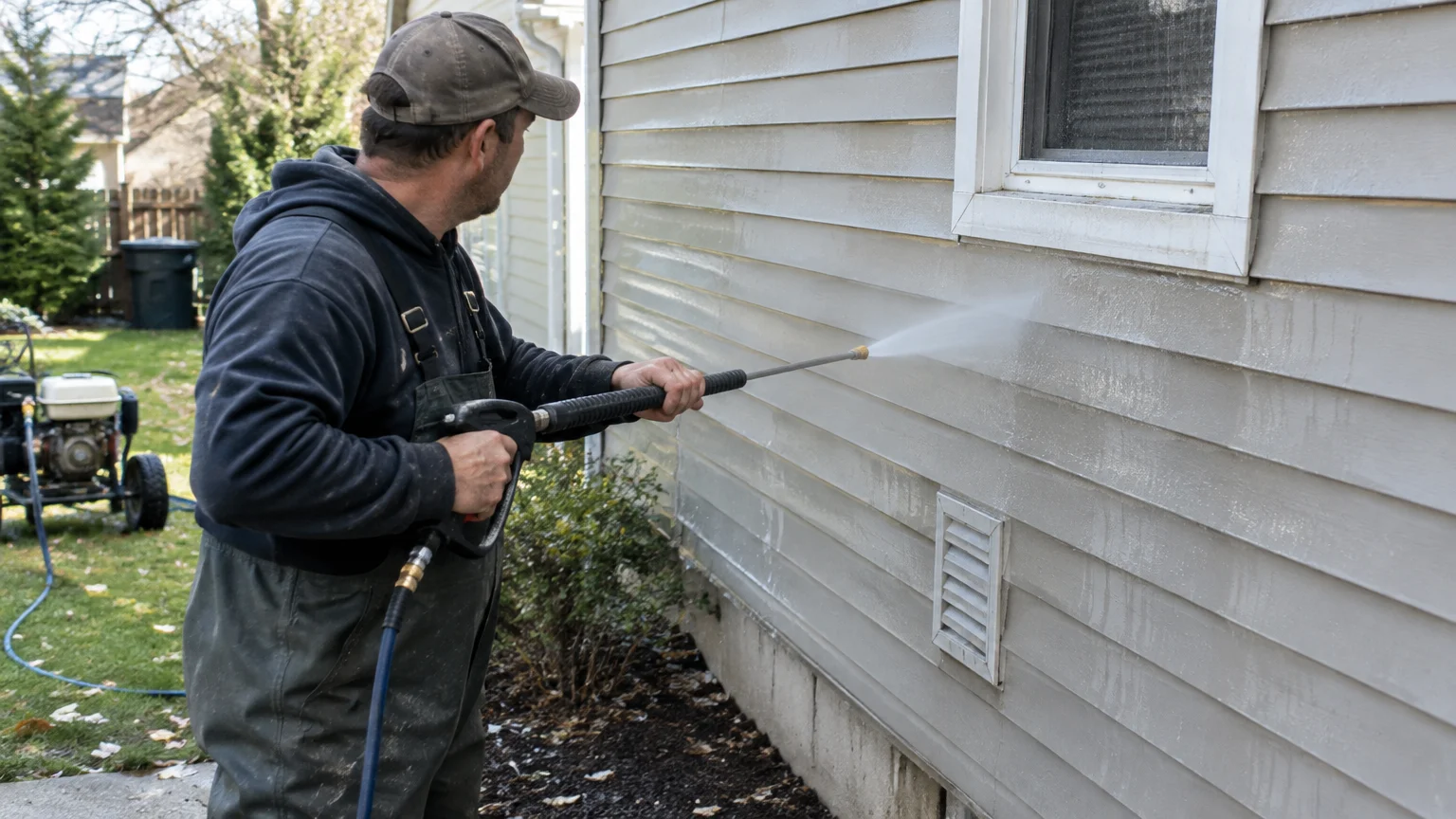
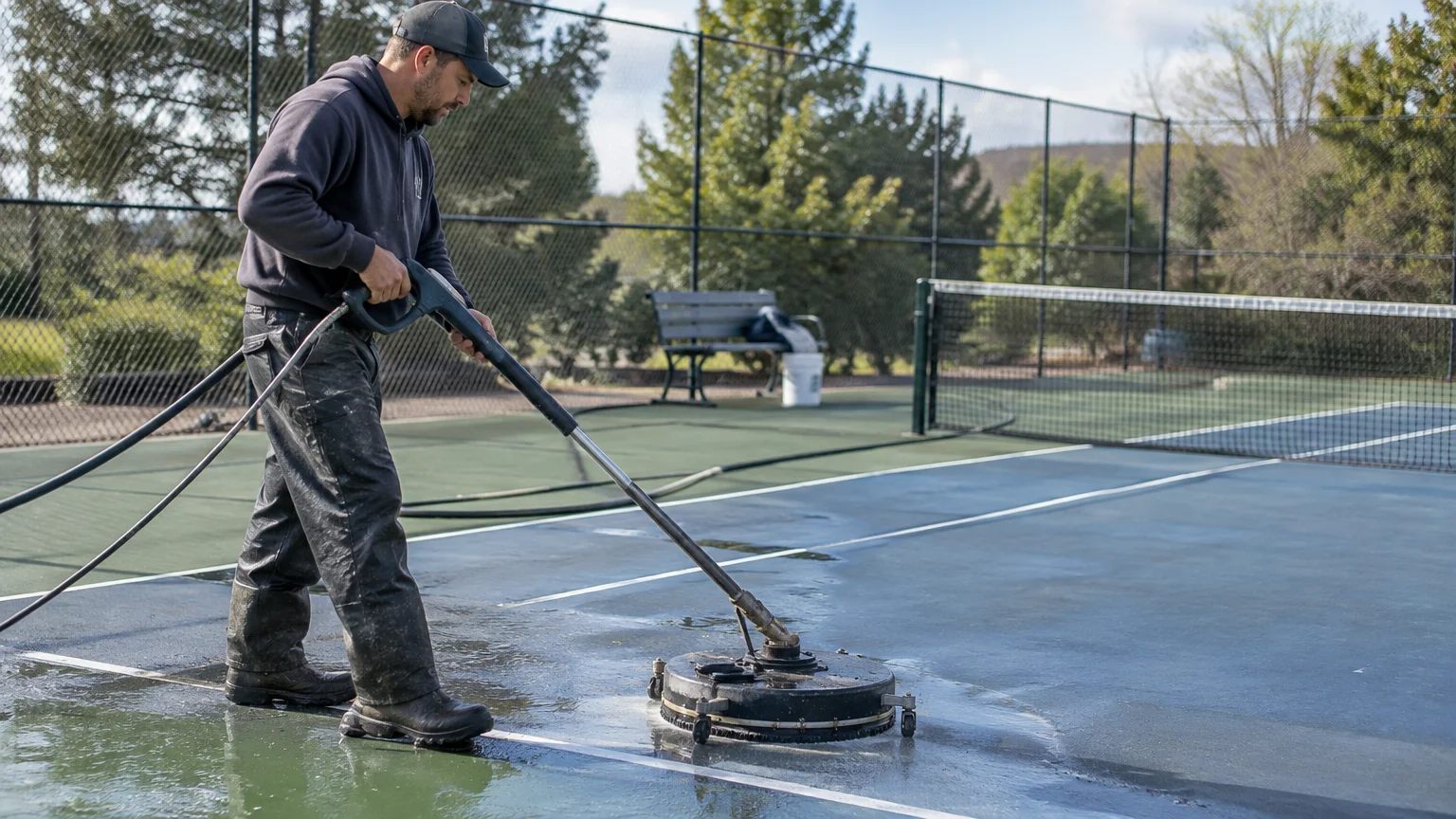
Safe pressure cleaning starts with a surface review, not a machine setting. The provider should identify the court coating, check for damage, and review nearby drains, fences, plants, and buildings. The method should remove buildup without cutting into the surface.
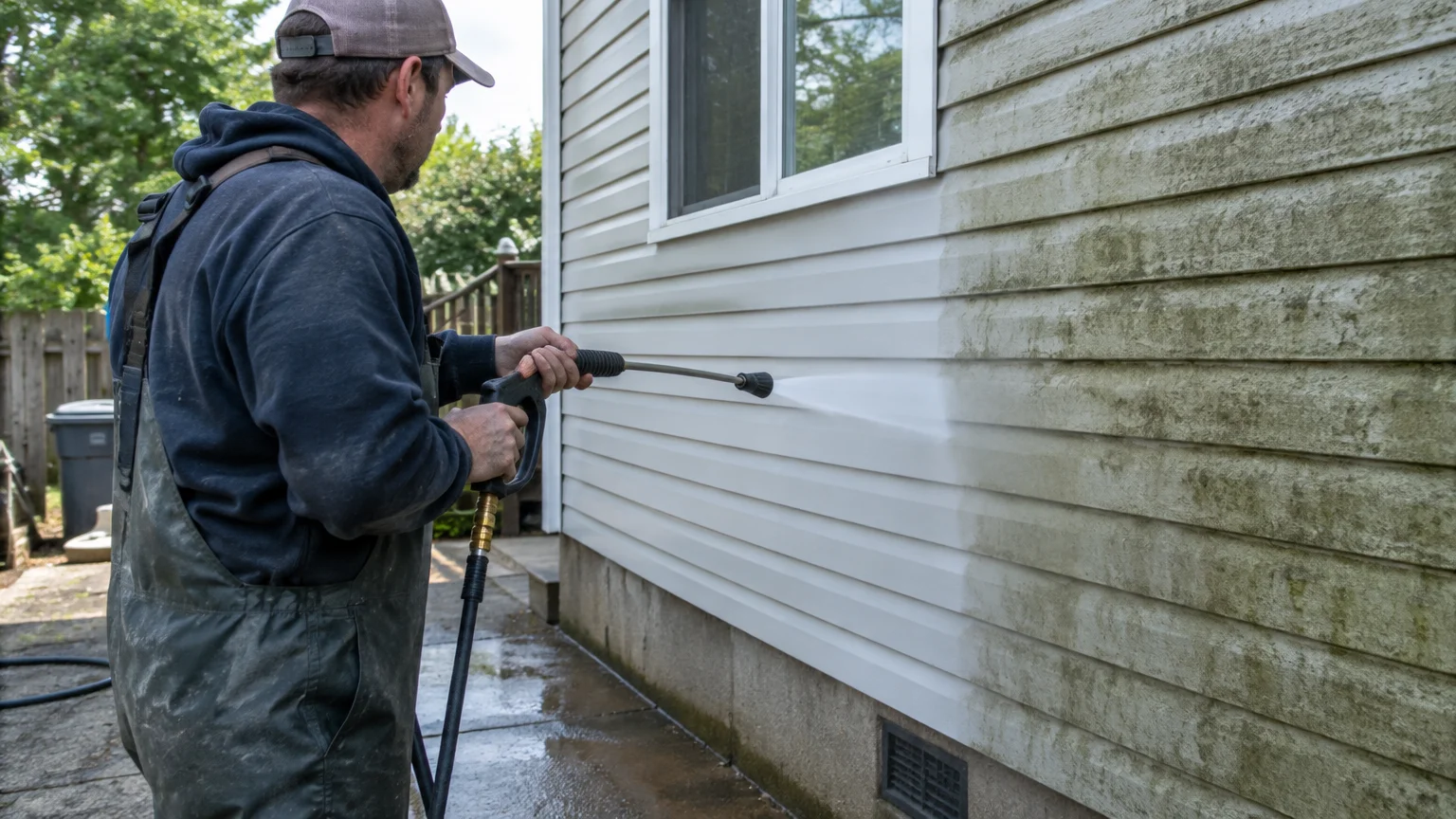
Pressure washing uses pressurized water to remove dirt and growth. Soft washing uses lower pressure with a cleaning solution. The best choice depends on the court material and buildup. A trained provider may combine gentle cleaners with controlled water pressure.
Surface Assessment, Detergent Selection, and Water Pressure
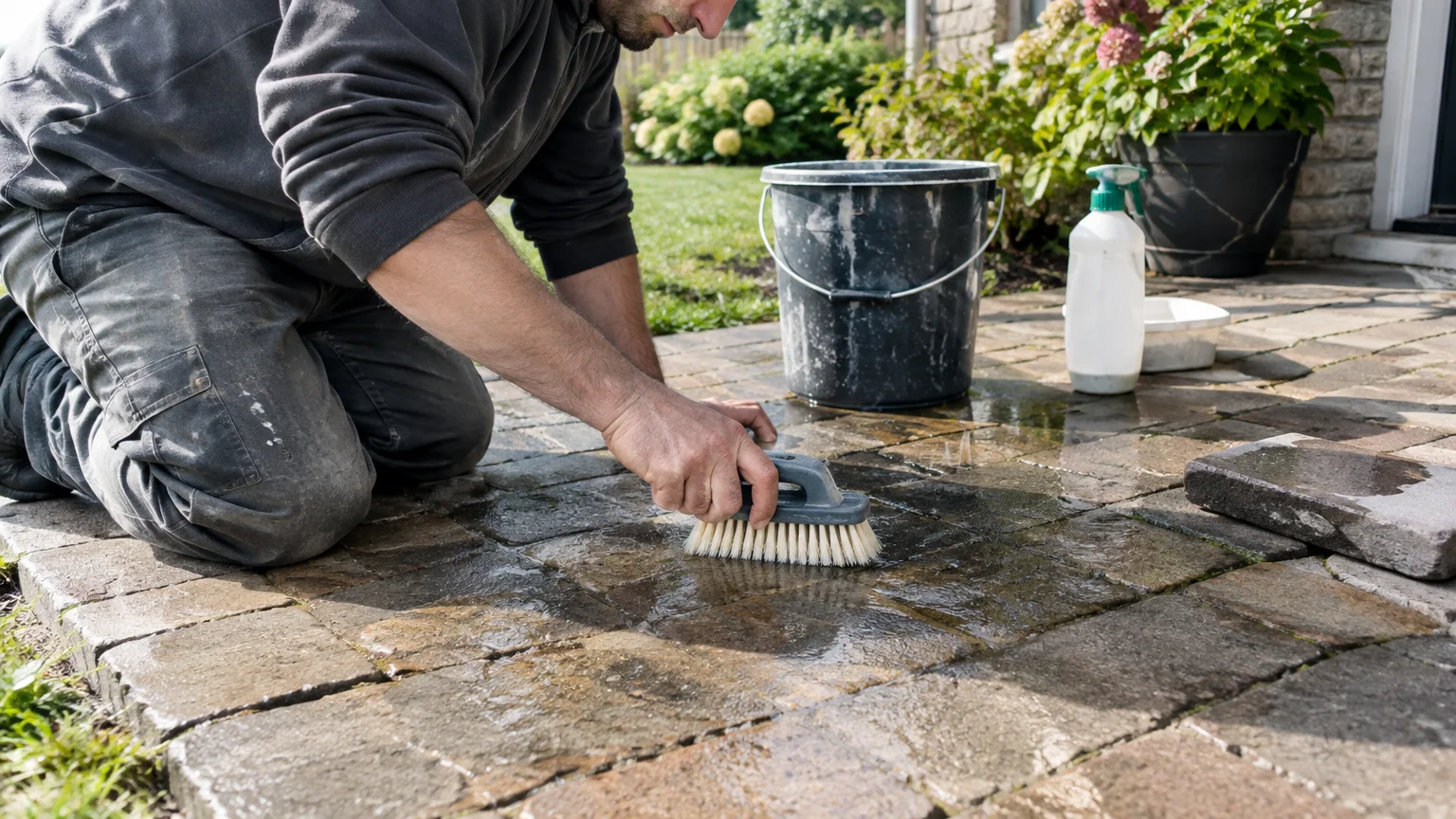
Before cleaning, the provider should inspect for loose paint, cracks, patches, worn lines, and raised edges. A small test area can show how the coating reacts. This test should be in a less visible spot when possible.
The question, what psi pressure washer do I need to clean siding, has no safe answer without knowing the siding type and condition. The same rule applies to courts. What psi to wash vinyl siding or a court surface requires a material review first. More pressure is not always better.
A suitable detergent can loosen algae, mildew, and soil before rinsing. The cleaner should be safe for the surface and used as directed. It should also be kept away from people, pets, drains, plants, and water features when needed.
Protecting Court Coatings, Lines, Fencing, and Nearby Landscaping
The provider should protect court lines, fence bases, benches, gates, lights, and planting beds. Plants may need covers or a clean-water rinse. Gates should be secured, and loose items should be moved before work starts.
Dirty water should not be pushed across a clean area or toward a pool. Drainage paths should be checked before the first rinse. After cleaning, the court should be checked for leftover buildup, coating damage, standing water, and slick residue.
A homeowner may safely sweep leaves, remove small loose items, and report spills. A property manager may also place signs and close access. Professional help is better for large courts, chemical use, pressure equipment, unknown coatings, or work near residents and sensitive areas.
What Should Property Managers Consider Before Cleaning Shared Amenities?
Property managers should plan access, communication, water control, and safety before the crew arrives. A short written plan can prevent blocked gates, resident complaints, and damage near the work area. It also gives the provider useful property details.
The plan should list each surface, the work window, water sources, drainage points, resident paths, and areas that must stay open. Managers should also share details about repairs, weak coatings, irrigation, and special events.
Resident Communication, Access Control, and Scheduling
Residents should receive clear notice about closures and reopening times. Signs can direct people to other courts, sidewalks, entrances, or amenities. Staff should keep children, pets, and residents away from active equipment and wet surfaces.
Access control matters in gated communities. The provider may need keys, gate codes, parking access, or an escort. Managers should confirm these details before service day. They should also plan for deliveries, trash pickup, pool staff, and emergency paths.
Cleaning can often fit around low-use periods, but the best time depends on the community. The schedule should allow time for rinsing, drying, inspection, and follow-up. A rushed reopening can create safety problems.
Drainage, Water Runoff, and Protecting Adjacent Areas
Water runoff can carry soil, detergent, oil, and loose debris. Before work starts, the provider should identify where water will flow. Managers should point out storm drains, pool edges, ponds, gardens, garage entries, and low areas.
The crew may need barriers, drain covers, collection methods, or controlled rinsing. The right step depends on the surface and site conditions. Runoff should be managed so it does not spread dirt or harm landscaping.
Parking Lot Pressure Washing may help near entrances and shared parking areas, but it should be planned with court cleaning. A clean court beside a dirty walkway may still leave residents tracking grime back onto the court. A site-wide plan can address connected surfaces in a useful order.
How Can HOAs Maintain Cleaner Courts and Common Areas Between Services?
HOAs can keep shared areas cleaner with simple checks and quick action. Staff do not need special equipment for every task. Sweeping, removing leaves, reporting spills, and keeping drains clear can help prevent buildup.
Routine care does not replace professional cleaning. It helps the HOA find problems sooner and reduces the material that settles into the surface. A simple inspection record can also help the board plan upkeep.
Routine Inspections and Early Signs of Surface Buildup
A manager or maintenance team can check courts and amenities during regular property walks. They should look for dark patches, green growth, standing water, leaf piles, loose coating, clogged drains, and slick edges. They should also note areas that stay wet after nearby irrigation runs.
Early signs are easier to address than widespread buildup. Small spills may be cleaned by trained staff with the right product and safety steps. Large stains, widespread growth, unknown chemicals, and damaged coatings should be left to a qualified provider.
Common-area checks should include benches, fence lines, stairs, ramps, and paths. Residents may report problems staff miss during a quick visit. A clear reporting process helps the HOA respond before a small issue affects many users.
Coordinating Cleaning With Repairs, Landscaping, and Events
Cleaning should be planned with court repairs, line painting, seal work, tree trimming, and irrigation changes. Pressure cleaning before repairs may remove dirt that hides cracks. Cleaning after repairs may harm new materials if done too soon.
Landscaping can affect results too. Tree trimming may reduce leaf buildup, while a sprinkler change may stop repeated wet spots. Event planning matters as well. Courts should be cleaned before a major event only when enough time remains for drying and inspection.
The HOA can keep one shared calendar for cleaning, repairs, landscaping, pool work, and resident events. This reduces conflicts and helps each contractor understand what happens before and after the visit.
What Should an HOA Look for in a Commercial Pressure Washing Provider?
An HOA should choose a provider that understands coated courts, public access, runoff, and shared property care. The right provider should ask about the surface before suggesting a method. A general equipment operator may not have the same experience with sports coatings and amenity areas.
Huntsville AL Pressure Washing serves property owners who need clear plans for shared outdoor surfaces. In Huntsville, a local team can review weather, access, landscaping, and the mix of court and amenity materials before work begins.
Experience With Courts, Playgrounds, and Shared Community Surfaces
A qualified provider should explain how the crew protects court lines, coatings, playground areas, pool decks, plants, and nearby buildings. The provider should also discuss test areas, water control, drying time, and final checks.
Property managers can ask whether the team has cleaned similar surfaces. They can ask how the provider handles slick growth, runoff, resident access, and damaged coatings. Clear answers are more useful than a promise that one pressure setting works everywhere.
The provider should carry proper safety equipment and follow product labels. Staff should know how to work around people, pets, vehicles, gates, drains, and community facilities. Commercial Pressure Washing experience can help when several surface types need service during one visit.
Planning Recurring Maintenance Around Residents and Property Operations
Recurring maintenance should be based on inspection results and property needs. The plan may include courts, sidewalks, pool decks, playground borders, entrances, and other shared spaces. It should state what will be cleaned, what access is needed, and how closures will work.
A good provider keeps communication simple. The manager should know when the crew will arrive, which areas will close, what may change the schedule, and when the final check is complete. The provider should also point out damage that cleaning cannot fix.
Key Takeaways
- Inspect first: Court coatings, cracks, drainage, and nearby areas guide the method.
- Use controlled cleaning: More water pressure is not always safer or better.
- Plan access: Notices, signs, gates, and drying time help protect residents.
- Watch connected areas: Courts, sidewalks, pool decks, and landscaping affect one another.
- Choose experience: A provider should understand sports surfaces and HOA operations.
Conclusion
Clean courts and shared amenities support safer use, better looks, and easier property care. HOAs can get better results by combining routine checks with careful professional cleaning. The plan should match the surface, weather, resident schedule, drainage, and property condition.
Contact us to plan pressure cleaning for courts and shared HOA surfaces with Huntsville AL Pressure Washing.
Frequently Asked Questions
How often should an HOA clean a tennis court?
An HOA should inspect its courts often and schedule cleaning when dirt, algae, mildew, stains, or slick areas appear. Shade, rain, irrigation, trees, and player traffic affect the timing. A written inspection log helps managers find patterns and plan work before buildup spreads.
Can a pressure washer damage a tennis court?
Yes. Too much pressure, a poor nozzle, harsh cleaners, or cleaning over loose coating can damage a tennis court. A provider should inspect the surface and test a small area first. Controlled pressure and a suitable cleaner are often safer than the strongest available setting.
What psi pressure washer should be used on siding near an HOA court?
There is no single safe setting for every siding type. Vinyl, wood, fiber cement, and painted surfaces can react differently to pressure and water. The operator should check the material, condition, height, and nearby landscaping before choosing a method. The same careful approach applies to court surfaces.
Can an HOA clean playgrounds and pool decks on the same day?
It can, if the plan allows safe access, runoff control, and enough drying time. Playground equipment, fall surfaces, pool edges, and court coatings may need different methods. Managers should close each area during cleaning and reopen it only after a final safety check.
Does pressure cleaning remove court cracks and surface damage?
No. Cleaning removes surface buildup but does not repair cracks, failed coating, poor drainage, or damaged pavement. Cleaning may make these problems easier to see. An HOA should document damage and arrange the right repair before regular use returns.
If you are not sure what you are dealing with, it is worth having someone look at it before it turns into a bigger job. Get in touch with Huntsville AL Pressure Washing today and we will tell you where you stand.